If you want an american period drama set in new york, The Gilded Age is the most direct modern pick: high society, old-money gatekeeping, new fortunes, and 1880s Manhattan all drive the story. It is best if you like social rivalry, costumes, family pressure, and slow-building character drama rather than action-heavy plotting.
When and Where Is The Gilded Age Set?
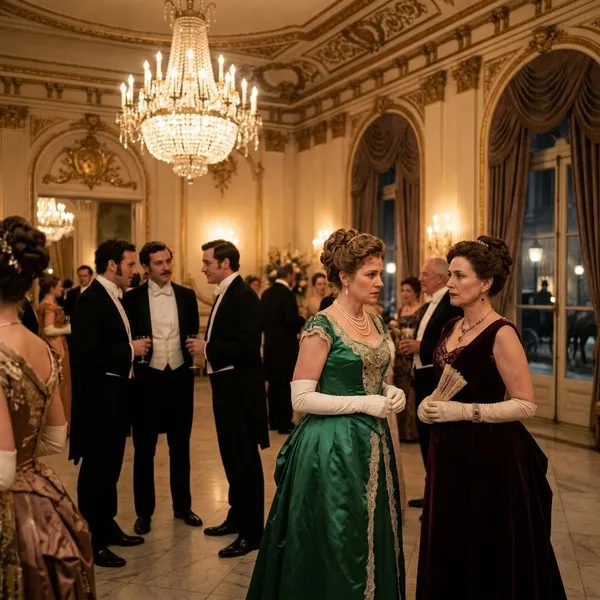
The Gilded Age is set mainly in New York City in the 1880s, a period when industrial wealth was rising fast and old elite families were trying to protect their social control. That setting is not just decoration. Nearly every conflict depends on who is accepted, who is ignored, and who has enough money or influence to challenge the rules.
The first thing to know is that this is not a cozy nostalgia version of old New York. The rooms are beautiful, but the society behind them is tense. A dinner invitation, an opera box, or a formal call can work almost like a public verdict on someone's status.
New York in the 1880s
New York in the 1880s was a city of sharp contrasts: Fifth Avenue mansions, crowded streets, ambitious business families, servants' work, racial barriers, and strict expectations for women. The series uses that contrast well, especially when it shows how much effort went into looking effortless.
If you are watching mainly for atmosphere, the period setting gives you grand homes, formal clothes, and social rituals. If you are more interested in history, the better reason to watch is the pressure underneath the polish: money could buy comfort, but not automatic respect.
What Is The Gilded Age About?
At its core, The Gilded Age is about access: who gets into elite New York society, who keeps the gates closed, and who decides not to accept the limits placed on them. The main storylines move between old-money households, the newly rich Russell family, Marian Brook's uncertain future, and Peggy Scott's professional ambition.
The Russells' fight for acceptance
The Russells already have money, but New York's old families do not treat money as enough. Bertha Russell wants recognition, not quiet approval, and her campaign to enter elite society gives the show much of its bite.
- Bertha treats invitations, events, and alliances as weapons.
- George brings business power, but social legitimacy is harder to force.
- Old New York resists them because accepting the Russells means admitting that status can be challenged.
Marian's search for independence
Marian Brook gives the viewer a softer entry point into this world. She is not powerful enough to ignore the rules, but she is curious enough to question them, especially around marriage, family duty, and personal choice.
Her storyline works best for viewers who like quiet character development. Marian's decisions are rarely dramatic in a modern sense, but in her world, choosing the wrong attachment or resisting the wrong relative can change her future.
Peggy's pursuit of a writing career
Peggy Scott's ambition adds a much-needed wider view of the city. Her goal is not to win old-money approval; she wants meaningful work, independence, and recognition as a writer in a society shaped by race and class barriers.
That makes her storyline one of the clearest reasons the show is more than mansion drama. Peggy's scenes remind you that 1880s New York was not one single experience, and that talent did not erase the limits imposed by the world around her.
Why Is The Gilded Age Worth Watching?
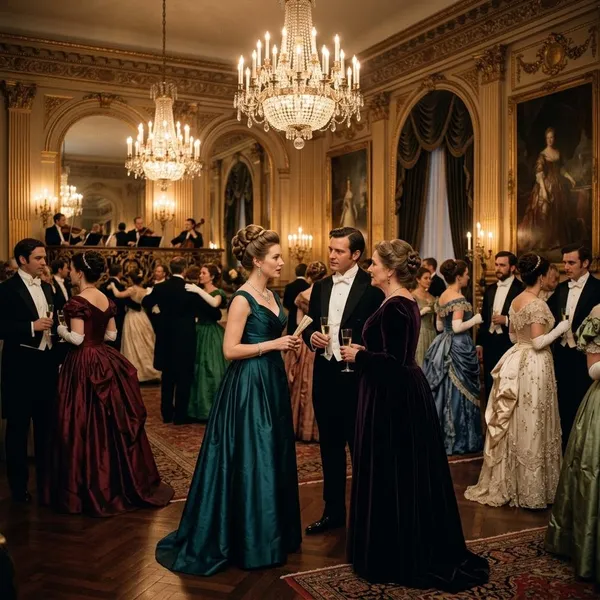
The Gilded Age is worth watching if you enjoy period drama where manners are never just manners. The show's best pleasure is seeing how wealth, reputation, romance, family loyalty, and social ambition all press against each other.
It is probably a good match if you liked the household tension of British period dramas but want a more American setting built around money, reinvention, and urban status. It may be less satisfying if you prefer fast pacing, mystery plots, or a single central romance.
| Watch it if you want | What the show delivers |
|---|---|
| Old-money rivalry | Polite scenes with real social consequences |
| Strong female characters | Different forms of ambition, control, and independence |
| Visual richness | Costumes and interiors that reveal status and strategy |
| Romance with pressure | Relationships shaped by class, money, and family approval |
Old money versus new money
The old-money versus new-money conflict is the show's strongest hook. Old families want status to remain inherited and controlled; the Russells expose how fragile that control can be when new wealth arrives with confidence.
Ambitious women and family tensions
Many of the best scenes come from women trying to gain influence inside systems built to limit them. Bertha uses social strategy, Marian pushes for personal judgment, Peggy pursues professional work, and Agnes protects the order that gives her authority.
This is where the show has useful emotional texture. A conversation about marriage, a household rule, or a piece of family advice can carry real threat because reputation shapes what a woman is allowed to do next.
Lavish costumes and grand interiors
The costumes and interiors are a major draw, but they are not just pretty background. A gown can signal ambition; a dining room can announce power; a staircase or reception room can show how a household wants to be seen.
For casual viewing, the visual detail makes the series easy to sink into. For a more attentive viewer, those details help explain the social game without needing long speeches about rank.
Romance shaped by social rules
Romance matters, but it rarely feels separate from money, family, and public reputation. A match can be affectionate and still be risky, especially when it threatens inheritance, status, or a family's plans.
That restraint is part of the appeal. If you want sweeping romantic rebellion in every episode, the show may feel controlled; if you like love stories where a single choice can disturb an entire household, it works well.
How Does The Gilded Age Portray Old New York?
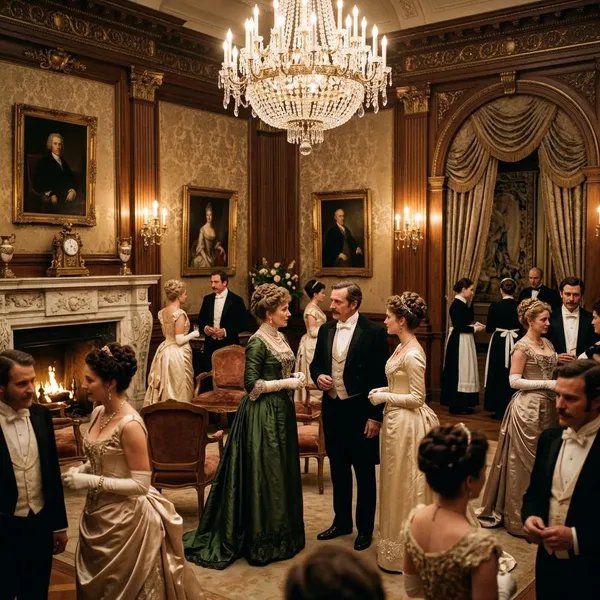
The show portrays Old New York as glamorous, anxious, and deeply unequal. It lets you enjoy the opera nights and grand houses, but it also keeps pointing to the systems that make that world possible: exclusion, labor, racial hierarchy, gender limits, and class performance.
That balance matters. A weaker version of this story could turn into pure costume fantasy. The Gilded Age is still polished television, but it gives enough friction to make the city feel contested rather than frozen in elegance.
Exclusive circles and social climbing
Elite society in the series works like a closed room where the people inside pretend the door is open only to the "right" kind of person. Bertha's social climbing is interesting because she understands the room's rules and still tries to bend them.
- Invitations show who is being recognized.
- Public events turn private rivalry into social proof.
- Polite refusals often carry more force than open insults.
Wealth alongside racial and class barriers
The series is strongest when it refuses to make wealth the whole story. Servants keep elite homes running, Peggy's career path shows racial limits, and social mobility is never equally available to everyone.
That does not make the show a complete history of New York, and it should not be treated as one. But for a drama built around high society, it does a useful job of showing that luxury always sits beside someone else's restricted choices.
Changing roles for women
Women in the show do not all want the same kind of freedom. Some want influence inside society, some want work, some want romantic choice, and some want to preserve the very rules that protect their position.
This gives the series a practical edge for modern viewers: it shows that change is not always a clean break. Sometimes it is a careful risk, a delayed decision, or a small refusal made in a room where everyone is watching.

Where Can You Watch The Gilded Age?
The Gilded Age streams on Max in the U.S., the service formerly known as HBO Max. Availability can change by country, so international viewers should check their local streaming listings before assuming it is on the same platform.
The best way to start is from season one, episode one. This is not a show where skipping ahead helps; the rivalries, alliances, romantic complications, and family tensions build gradually.
HBO Max
On HBO Max or Max, depending on your region and app, the series is easy to watch in order. Give it a few episodes before deciding, especially if you are new to society dramas; the first episode introduces the players, but the social stakes become clearer once the rivalries start tightening.
If you are choosing something for a weekend watch, it suits slower, focused viewing better than background TV. Names, family ties, and small social gestures matter, so it rewards paying attention.
Conclusion
The Gilded Age is an easy recommendation if you want New York society drama with beautiful production design and real social tension behind the glamour. Start from the first season, watch for the status games as much as the romance, and skip it only if you need a faster, more plot-driven period series.